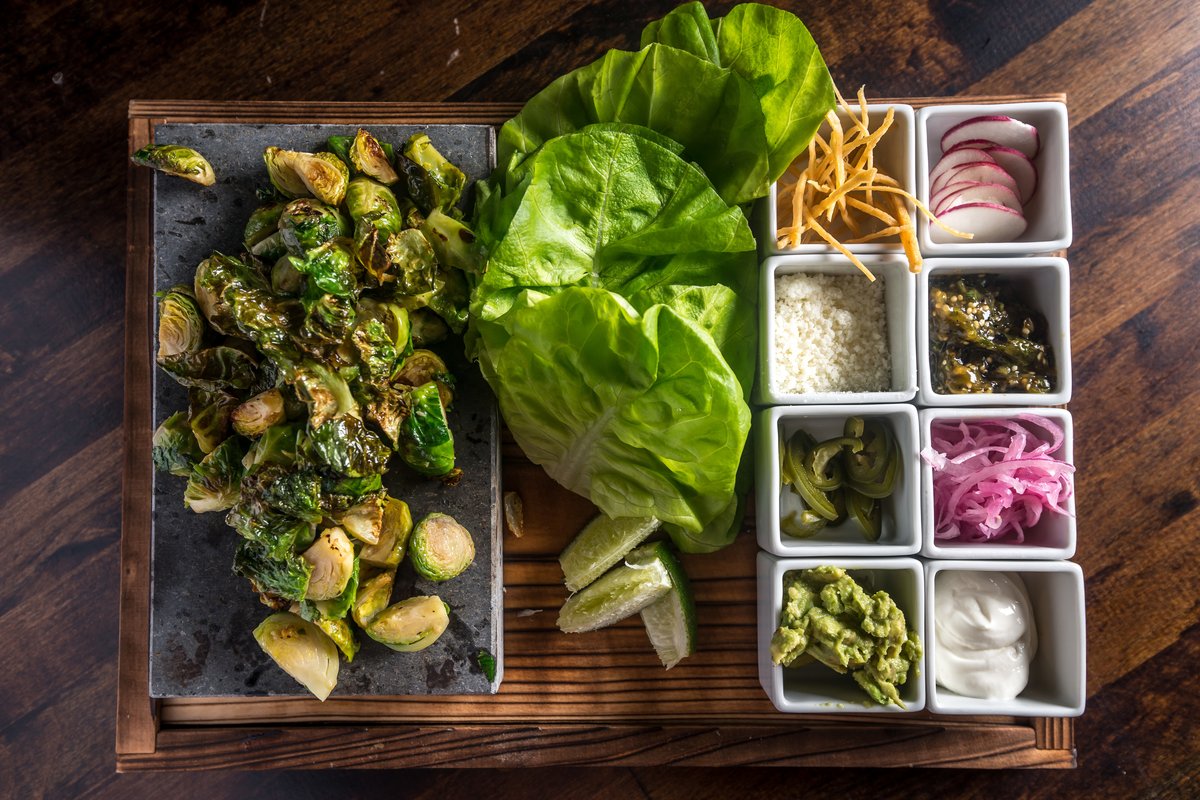
For many, dining out is a joy – a chance to connect, celebrate, and savor new flavors. But if you're navigating the world as a vegetarian or vegan, that joy can sometimes feel like a quest, especially when searching for genuinely Vegetarian & Vegan Friendly Restaurants. No longer are we confined to a side salad or a plate of steamed vegetables. The culinary landscape has blossomed, offering incredible plant-based experiences that delight every palate. This guide is your trusted companion, designed to help you confidently find and enjoy fantastic dining options, whether you’re a seasoned plant-based eater or just starting to explore.
At a Glance: Your Guide to Effortless Plant-Based Dining
- Know Your Types: Differentiate between dedicated vegan/vegetarian restaurants and those that merely offer options.
- Leverage Technology: Use specialized apps (like HappyCow) alongside mainstream review sites (Yelp, Google Maps) to pinpoint eateries.
- Communicate Clearly: Don't hesitate to ask questions about ingredients and preparation methods.
- Explore Diverse Cuisines: Many international cuisines are naturally rich in plant-based dishes.
- Look Beyond the Menu: Some restaurants offer "secret" plant-based options or are happy to customize.
- Support & Review: Your feedback helps other plant-based diners and encourages restaurants.
Beyond the Salad Bar: The Evolving World of Plant-Based Dining
Once upon a time, asking for a vegetarian or vegan meal often meant a blank stare from your server or a begrudging bowl of plain pasta. Thankfully, those days are largely behind us. The growth of plant-based eating isn't just a trend; it's a culinary revolution, driven by increasing awareness of health, environmental impact, and animal welfare. This shift has transformed the restaurant industry, making truly Vegetarian & Vegan Friendly Restaurants not just a niche, but a vibrant and expanding segment of the market.
Today, you'll find an astonishing array of choices, from casual cafes serving hearty vegan burgers to Michelin-starred establishments crafting exquisite plant-based tasting menus. This evolution means more delicious, creative, and accessible options than ever before. It also means you need a smarter approach to finding the best spots, ensuring your dining experience is consistently positive, flavorful, and free from awkward surprises.
Decoding "Friendly": What to Look For in Plant-Based Restaurants
The term "friendly" can mean different things to different people. For some, a single clearly marked vegan option is enough. For others, it's about the entire dining experience, free from any animal products. Understanding these nuances is crucial for setting your expectations and ensuring a satisfying meal.
Truly Dedicated vs. Thoughtfully Accommodating
The most straightforward "friendly" establishment is a 100% vegetarian or vegan restaurant. Here, you can order anything on the menu without a second thought, confident that no animal products are used. These spots often boast innovative dishes, specialized ingredients, and a deep understanding of plant-based cuisine.
Then there are restaurants that offer dedicated plant-based options or can easily accommodate. This category is vast. It includes:
- Restaurants with a dedicated vegan/vegetarian section: A clear indicator of intent.
- Cuisines naturally rich in plant-based dishes: Think Indian, Ethiopian, Thai, or many Mediterranean spots where vegetable and legume-based dishes are staples.
- Chefs willing to customize: This is where polite communication shines. Many chefs are happy to modify dishes to remove dairy, eggs, or meat broths if they have the ingredients on hand.
The key is distinguishing between a restaurant that truly understands plant-based eating and one that simply has a single, uninspired "vegetarian" dish.
The Menu Matters: A Deep Dive into Plant-Based Offerings
A restaurant's menu is your first clue. Here’s what to look for:
- Clear Labeling: Look for symbols (V for vegetarian, VG for vegan, GF for gluten-free) or specific menu sections.
- Ingredient Lists: Some menus list key ingredients, helping you identify what's plant-based.
- Beyond the Obvious: Don't just scan for salads. Look for grain bowls, innovative vegetable preparations, tofu/tempeh/seitan dishes, and lentil or bean-based mains.
- Desserts and Drinks: Check for non-dairy milk options for coffee, and inquire about vegan dessert choices beyond sorbet.
If the menu is ambiguous, it's always best to ask. A quick phone call before booking can save you disappointment.
Beyond the Label: Cross-Contamination & Kitchen Practices
For those with severe allergies or very strict dietary guidelines, understanding kitchen practices is paramount. While most Vegetarian & Vegan Friendly Restaurants are careful, cross-contamination can be a concern in mixed kitchens:
- Shared Fryers: Are vegan items fried in the same oil as chicken or fish?
- Shared Grills/Surfaces: Is the vegan burger cooked on the same grill as meat patties?
- Utensils and Boards: Are separate utensils and cutting boards used for plant-based ingredients?
Don't be afraid to politely ask about these practices. Most restaurants that truly care about accommodating plant-based diners will be transparent and reassuring.
Spotting the Green Flags: Signs of a Genuinely Friendly Establishment
Beyond the menu, subtle cues can tell you a lot:
- Staff Knowledge: Servers who confidently answer questions about ingredients and preparation, or who proactively suggest modifications, are a great sign.
- Online Presence: A restaurant's website or social media might highlight its vegan options or commitment to plant-based dining.
- Community Reviews: Feedback from other plant-based diners on specialized apps is invaluable.
- Innovation: Is the "vegan option" just a burger without cheese, or are they crafting creative, flavorful plant-based dishes? The latter signals a higher level of dedication.
Your Go-To Toolkit for Finding Fantastic Plant-Based Spots
In the digital age, finding Vegetarian & Vegan Friendly Restaurants has never been easier. You have a powerful array of tools at your fingertips, from dedicated vegan guides to mainstream review platforms.
Specialized Apps & Websites: Your Plant-Based Navigators
For the most reliable and up-to-date information, start with platforms specifically designed for plant-based diners.
- HappyCow: This is arguably the gold standard. HappyCow lists vegan, vegetarian, and vegetarian-friendly restaurants, cafes, and even grocery stores worldwide. You can filter by cuisine, price, and even specific dietary needs (e.g., gluten-free vegan). Each listing includes reviews, photos, and often details about specific vegan options. The ground truth research from Fremont, CA (e.g., HappyCow's listings for Fremont) showcases its utility in pinpointing vegan options locally.
- VegOut / Abillion: Newer apps gaining traction, often with a more social, community-driven approach, allowing users to share reviews and photos of plant-based dishes.
These platforms are invaluable because they're curated by and for the plant-based community, meaning you're more likely to find genuinely good options and accurate information.
Mainstream Review Platforms: Filtering for Flavor
Don't overlook the power of general review sites, as they often have robust filtering capabilities:
- Yelp: Allows you to filter by "Vegan" or "Vegetarian" under dietary restrictions. You can also search for specific keywords in reviews.
- Google Maps: A simple search for "vegan restaurants near me" or "vegetarian options [city name]" often yields excellent results, complete with ratings and user reviews. You can also use "Explore nearby" and filter by "Vegetarian friendly" or "Vegan options."
- TripAdvisor: Similar to Yelp, TripAdvisor offers filters for dietary preferences and can be great for finding options when traveling. While the specific example provided had no content, the platform's general functionality for restaurants (like those in Fremont, California) remains very useful for filtering by specific dietary needs.
When using mainstream sites, always cross-reference with specific reviews to ensure the "vegan option" isn't just one sad item.
Social Media & Local Groups: Insider Scoop
Never underestimate the power of local communities:
- Instagram & TikTok: Search hashtags like #vegan[cityname], #vegetarian[cityname]food, or #plantbased[cityname]. Many restaurants highlight their vegan dishes here, and local food bloggers often post reviews.
- Facebook Groups: Join local vegan or vegetarian community groups. These are fantastic places to ask for recommendations, get real-time feedback, and discover hidden gems. People in these groups are often passionate and happy to share their favorite spots. For instance, if you're looking to Find vegetarian restaurants in Amsterdam, a local Facebook group dedicated to Amsterdam's plant-based scene would be an excellent resource for real-time recommendations.
Asking the Locals: The Original Search Engine
Sometimes, the best information comes from good old-fashioned human interaction. If you're traveling, ask hotel staff, local shop owners, or even friendly strangers for their recommendations. Locals often know about the authentic, less-publicized spots that might not show up on every app.
Navigating Different Cuisines: Unexpected Plant-Based Delights
One of the most exciting aspects of plant-based eating today is discovering how many cuisines naturally lend themselves to incredible vegetarian and vegan dishes. You don't have to stick to just dedicated vegan eateries; a world of flavor awaits.
Italian: More Than Just Pasta with Tomato Sauce
While cheese and meat are prominent, Italian cuisine offers a wealth of plant-based options:
- Pizza: Many pizzerias can make a marinara pizza (sauce, garlic, oregano) or a veggie pizza without cheese. Some even offer vegan cheese now!
- Pasta: Look for pasta dishes with vegetable-based sauces like arrabbiata, aglio e olio (garlic and oil), pomodoro, or mushroom-based sauces. Ensure the pasta itself is egg-free (most dried pasta is).
- Risotto: Vegetable risotto can be made vegan by substituting butter with olive oil and using vegetable broth instead of chicken broth or Parmesan.
- Appetizers: Bruschetta, marinated olives, focaccia, and minestrone soup are often vegan-friendly.
Mexican: The Land of Beans, Rice, and Veggies
Mexican food is a fantastic choice for plant-based diners:
- Tacos, Burritos, Fajitas: Load up on beans, rice, grilled vegetables (peppers, onions, mushrooms), guacamole, salsa, and pico de gallo. Just specify no cheese or sour cream.
- Enchiladas/Quesadillas: Can be made with vegetable and bean fillings, omitting cheese.
- Sides: Refried beans (check if cooked with lard – often not in modern restaurants), rice, guacamole, and chips are usually vegan.
Indian & Thai: A Vegetarian's Paradise
These cuisines are inherently rich in vegetarian and vegan dishes, often featuring legumes, vegetables, and aromatic spices:
- Indian: Look for dishes like dal (lentil stew), aloo gobi (potato and cauliflower), chana masala (chickpea curry), baingan bharta (eggplant dish), and various vegetable curries. Many are naturally vegan, just confirm no ghee (clarified butter) or paneer (cheese).
- Thai: Curries (green, red, yellow – ask for coconut milk-based and no fish sauce), stir-fried vegetables with tofu, Pad See Ew (ask for no egg/fish sauce), and fresh spring rolls are often excellent choices.
Asian (Japanese, Chinese, Korean): Tofu, Tempeh, and Vibrant Greens
Asian cuisines offer endless possibilities:
- Japanese: Vegetable rolls, edamame, miso soup (confirm no fish flakes/dashi in broth), vegetable tempura, and tofu dishes.
- Chinese: Stir-fried vegetables, mapo tofu (confirm no minced pork), vegetable spring rolls, noodle dishes (confirm no egg noodles or oyster sauce).
- Korean: Bibimbap (ask for no egg/meat, extra veggies), Japchae (sweet potato noodles), various vegetable banchan (side dishes), and tofu stews.
Fine Dining & Gourmet Experiences: Elevating Plant-Based Cuisine
Even in the realm of high-end gastronomy, plant-based options are no longer an afterthought. Many upscale establishments now offer dedicated vegetarian or vegan tasting menus, showcasing innovative techniques and premium ingredients. This is where chefs truly push the boundaries of plant-based cuisine, transforming humble vegetables into works of art. If you're looking for an elevated dining experience, you might explore something like Amsterdams plant-based gourmet scene, where world-class chefs are creating incredible multi-course vegan meals that rival their meat-centric counterparts. These experiences often require reservations and advance notice to ensure the kitchen can prepare a special menu.
The Art of Communicating Your Needs at a Restaurant
Even in the most Vegetarian & Vegan Friendly Restaurants, clear communication is your best friend. A little preparation and polite conversation can ensure a seamless and enjoyable dining experience.
Before You Go: Planning for Success
- Check the Online Menu: Most restaurants have their menus online. Look for clearly marked options or sections.
- Read Reviews: Specifically look for reviews from other plant-based diners.
- Call Ahead: If you have specific dietary needs, questions about ingredients, or want to ensure they can accommodate you, a quick call can prevent disappointment. Ask if they can prepare vegan dishes or if they have a dedicated vegan menu. This is especially useful for smaller establishments or when dining with a group.
Once You're There: Engaging with the Staff
- Be Polite and Clear: Start by stating your dietary preference simply and directly: "I'm vegan/vegetarian, what options do you have?" or "Could you help me find the vegan dishes on the menu?"
- Ask Specific Questions: Instead of just saying "Is this vegan?", ask "Does this dish contain any dairy, eggs, or meat products like fish sauce or chicken broth?" This helps the server understand exactly what you're avoiding.
- Confirm When Ordering: Reiterate your request when placing your order, especially if modifications were discussed. "I'll have the [dish name], please, with no cheese and no sour cream, as we discussed."
- Thank Them: A little gratitude goes a long way. Thank your server for their help and understanding.
Keywords to Use for Clarity
When communicating, use precise language:
- "Vegan": No meat, poultry, fish, dairy, eggs, honey, or any other animal-derived ingredients.
- "Vegetarian": No meat, poultry, or fish (may include dairy and eggs).
- "Plant-Based": Often used interchangeably with vegan, emphasizing whole foods.
- "Dairy-Free": No milk, cheese, butter, cream, yogurt.
- "Egg-Free": No eggs in any form.
- "No Animal Products": A comprehensive term for veganism.
- "Fish Sauce/Oyster Sauce": Crucial to mention in Asian restaurants.
- "Ghee/Butter": Important in Indian or some Italian dishes.
Common Pitfalls to Avoid
- Making Assumptions: Don't assume that "vegetable broth" is vegan (sometimes it contains dairy or chicken flavoring) or that all pasta is egg-free. Always ask.
- Being Vague: "Something without meat" isn't specific enough. Be explicit about dairy and eggs if you're vegan.
- Being Demanding or Impatient: While you have every right to a safe and enjoyable meal, a polite and understanding approach yields far better results.
- Not Speaking Up: If you have concerns about your order, address them immediately rather than suffering in silence.
Beyond the Dinner Plate: Brunch, Dessert, and Drinks
Finding Vegetarian & Vegan Friendly Restaurants isn't just about dinner. Plant-based options are now thriving across all meal times and categories, from morning coffee runs to late-night sweet treats.
Brunch: The Weekend Ritual, Plant-Based Style
Brunch, a beloved weekend tradition, now offers a plethora of vegan and vegetarian choices:
- Vegan Pancakes & Waffles: Made with plant-based milks and egg substitutes, often served with fruit and maple syrup.
- Tofu Scramble: A fantastic protein-packed alternative to scrambled eggs, often seasoned with turmeric for color and black salt for an "eggy" flavor.
- Avocado Toast: A perennial favorite, easily made vegan.
- Plant-Based Sausages & Bacon: Many restaurants now offer delicious meat alternatives for a full vegan breakfast plate.
- Smoothie Bowls & Oatmeal: Naturally vegan and customizable.
Many cafes and brunch spots are becoming increasingly adept at offering these options. For example, if you’re exploring urban dining scenes, you'll find that in places like Best Vegan Eats Amsterdam Center, brunch menus are often packed with creative, flavorful, and entirely plant-based offerings.
Dessert: Sweet Endings without Compromise
The days of fruit salad being your only vegan dessert option are long gone. The rise of plant-based baking has brought forth:
- Vegan Cakes & Cupcakes: Made with non-dairy milks, egg replacers, and plant-based fats.
- Non-Dairy Ice Cream & Gelato: Coconut, almond, oat, and cashew-based options in every flavor imaginable.
- Sorbet: A naturally vegan classic.
- Chocolate Mousses & Cheesecakes: Crafted with silken tofu, cashews, or avocado for rich, creamy textures.
Many bakeries and cafes now specialize in vegan desserts, making it easier than ever to satisfy your sweet tooth ethically.
Drinks: Sip with Confidence
Most beverages are naturally vegan, but there are a few considerations:
- Coffee & Tea: Almost all cafes offer non-dairy milks (oat, almond, soy, coconut) for lattes and cappuccinos.
- Smoothies & Juices: Generally vegan, but always confirm no dairy or honey is added.
- Alcohol: Most beers, wines, and spirits are vegan, but some beers and wines use animal-derived fining agents (like gelatin or egg whites). Apps like Barnivore can help you check specific brands.
- Cocktails: Be mindful of creamy cocktails that might contain dairy. Simple, spirit-forward cocktails are usually safe.
With a little awareness, you can confidently enjoy a full range of dining experiences, from your morning coffee to a decadent dessert.
Frequently Asked Questions About Vegetarian & Vegan Dining Out
Even with the abundance of Vegetarian & Vegan Friendly Restaurants, you might have some lingering questions. Here are answers to common concerns:
Is Eating at Vegetarian & Vegan Friendly Restaurants More Expensive?
Not necessarily. While some specialty vegan restaurants, especially fine dining, might be on the higher end, plant-based ingredients themselves are often cheaper than meat and dairy. Many ethnic restaurants offer very affordable and substantial vegan options. The cost largely depends on the type of restaurant, its location, and the ingredients used, just like with any cuisine. In many cases, a well-prepared veggie burger or a hearty lentil curry can be less expensive than its meat counterpart.
Can I Really Eat Almost Anywhere as a Vegetarian or Vegan?
With a little planning and good communication, yes, you can dine in a surprisingly wide variety of places. While a 100% vegan restaurant offers the most freedom, most restaurants can offer something if you're willing to be flexible and clearly communicate your needs. As the guide highlights, many cuisines have naturally plant-based dishes. The key is to do your research beforehand and not be afraid to politely ask questions.
What About Allergens in Vegetarian & Vegan Dishes?
This is a critical point. "Vegan" doesn't automatically mean "allergen-free." Many plant-based dishes rely on common allergens like nuts (cashews for creamy sauces), soy (tofu, tempeh), wheat (seitan), or gluten. If you have allergies, you must communicate them clearly, just as you would any other dietary restriction. Always ask about specific ingredients, even in dedicated vegan establishments, and inquire about cross-contamination practices.
How Do I Handle Dining Out with Non-Plant-Based Friends or Family?
Dining with omnivores doesn't have to be a battle. Here are a few strategies:
- Suggest "Vegan-Friendly" Restaurants: Choose places known for having excellent options for everyone, not just exclusively vegan spots. Mediterranean, Indian, or good quality Italian restaurants often work well.
- Compromise: Alternate choices. One night, pick a place with great vegan options; next time, let your friends choose, and you can focus on finding the best possible option there.
- Communicate Needs, Not Demands: Inform your friends of your dietary needs without making it a burden. Often, they'll be happy to find a place that works for everyone.
- Focus on the Company: Remember that dining out is also about socializing. Even if your meal isn't the most exciting vegan dish you've ever had, enjoy the company!
Are Plant-Based Restaurants Only for Vegans and Vegetarians?
Absolutely not! Many non-vegans and non-vegetarians actively seek out plant-based restaurants for their innovative flavors, healthy options, and unique culinary experiences. These restaurants are often at the forefront of culinary creativity, showcasing ingredients and techniques that appeal to a broad audience. Don't hesitate to invite your omnivorous friends – they might just discover their new favorite dish!
The Future is Flavorful: Embracing the Plant-Based Revolution
The journey of finding and enjoying Vegetarian & Vegan Friendly Restaurants has never been more exciting. From bustling city centers to quaint suburban towns, the options are expanding, diversifying, and becoming more delicious with each passing year. This isn't just about ethical eating; it's about exploring a vibrant, innovative, and incredibly flavorful segment of the culinary world.
Embrace the adventure! Use your new toolkit to discover hidden gems, revisit old favorites, and confidently explore new cuisines. Every positive review you leave, every happy meal you share, contributes to the growing demand for more plant-based options, encouraging restaurants to be even more inclusive and creative. So go forth, dine well, and savor every plant-powered bite!