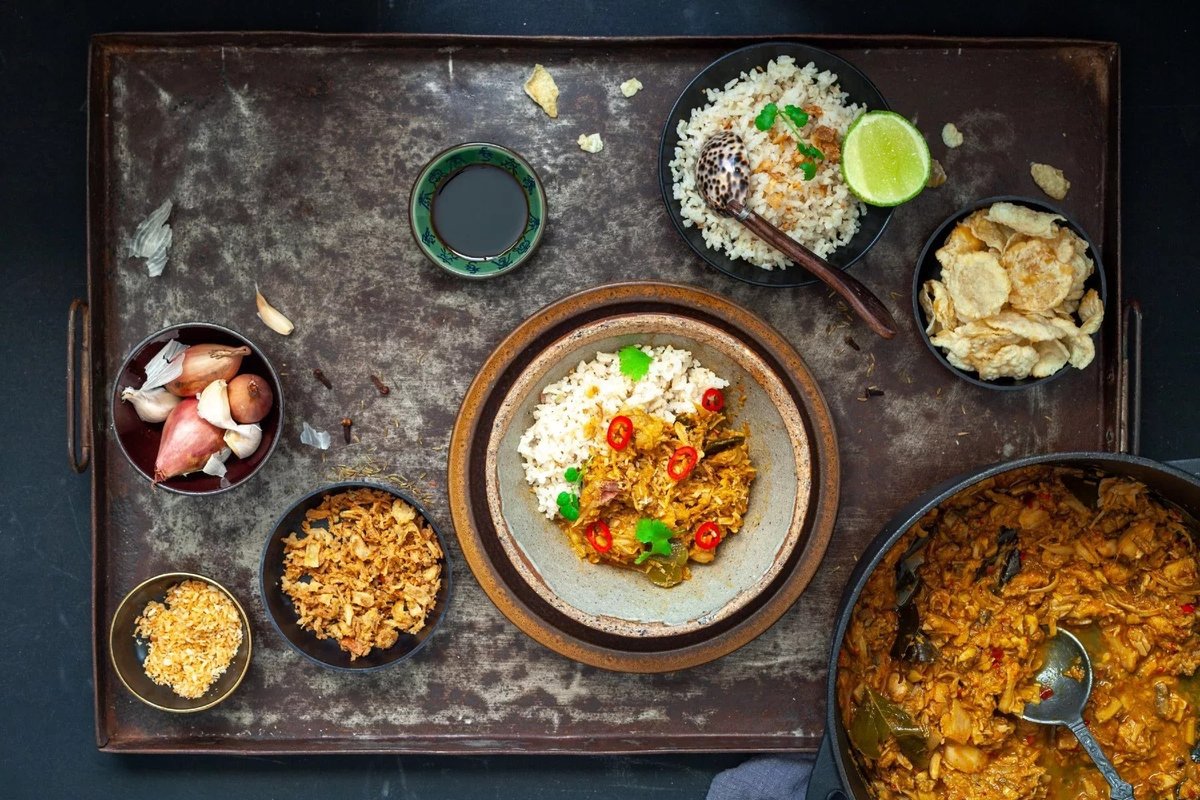
Amsterdam, a city famed for its canals and culture, holds a delightful secret for those willing to look past the international glitz: a vibrant scene of 'traditional dutch food restaurants amsterdam' waiting to serve up genuinely local flavors. Stepping into one of these establishments isn't just about eating; it's an immersion into Dutch heritage, offering hearty, comforting dishes that tell stories of generations. Forget preconceived notions of plain food; here, authenticity shines through in every bite, from savory stews to iconic snacks.
At a Glance: Savoring Amsterdam's Traditional Tastes
- Discover Genuine Dutch Flavors: Go beyond tourist traps to experience classic comfort food like stamppot and erwtensoep.
- Navigate Amsterdam's Culinary Landscape: Pinpoint authentic eateries in neighborhoods like Jordaan and De Pijp.
- Explore Diverse Dining Experiences: From cozy, home-style settings to modern interpretations of Dutch cuisine.
- Identify Must-Try Dishes: Learn essential items like bitterballen, haring, and poffertjes for a complete culinary journey.
- Get Actionable Restaurant Recommendations: Specific spots tailored for different moods, occasions, and budget considerations.
- Dine Like a Local: Practical tips for ordering, enjoying, and understanding the Dutch dining culture.
What Defines Authentic Dutch Cuisine? More Than Just Potatoes
True traditional Dutch food is a testament to honest, seasonal ingredients and comforting preparation. It’s often characterized by its heartiness, designed to sustain through long, cold days. While stamppot, a glorious mash of potatoes and vegetables often served with a Dutch meatball (bal gehakt) or rookworst (smoked sausage), is undeniably a staple, the spectrum of flavors extends much further.
You’ll encounter erwtensoep (thick pea soup, sometimes called snert), a winter warmer so dense a spoon can stand in it. Then there are the beloved snacks: bitterballen, deep-fried crispy spheres with a rich, savory ragout filling, and their elongated cousin, the kroket. For a daring local experience, try haring (raw herring) served with pickles and onions, a refreshing bite from a street vendor or a traditional café. Sweet treats include poffertjes, tiny fluffy pancakes dusted with powdered sugar, and delectable desserts like vlaflip (yogurt, custard, and syrup parfait) or a rich stroopwafelparfait. This emphasis on local and home-grown produce is a thread connecting traditional eateries with even the most modern Dutch culinary innovators.
Navigating Amsterdam's Culinary Neighborhoods for Traditional Bites
Finding authentic Dutch food often means venturing slightly beyond the most crowded tourist arteries, though some excellent spots thrive right in the thick of it. Certain neighborhoods, however, are particularly rich hunting grounds for genuine experiences.
- Jordaan: This historic, picturesque district is arguably the epicenter for traditional Dutch dining. Its charming canals, narrow streets, and "brown cafes" (traditional Dutch pubs) house several establishments celebrated for their classic fare and cozy atmosphere. Expect a relaxed, unpretentious vibe perfect for enjoying hearty meals.
- De Pijp: Known for its lively Albert Cuyp Market and diverse culinary scene, De Pijp also offers some traditional gems. While more international, discerning diners can find spots balancing old-school charm with a bustling, modern neighborhood feel.
- Museum Quarter: Beyond the world-class museums, you’ll find cherished, well-established restaurants like Café Loetje that have become institutions for their signature Dutch dishes, offering a taste of tradition amidst cultural grandeur.
- Amsterdam West & Oost: These areas, often less tourist-dense, harbor local favorites and places with a fresh, contemporary take on Dutch classics, reflecting the city’s evolving culinary landscape while staying true to its roots.
From Grandmothers' Kitchens to Modern Interpretations: Finding Your Dutch Flavor Profile
Amsterdam’s traditional Dutch food scene isn't monolithic; it offers a range of experiences from deeply rustic to elegantly refined. Understanding these categories can help you choose the perfect spot for your cravings.
The Rustic & Hearty Experience: Unpretentious Comfort
For a taste of Dutch hospitality that feels like dining in a family home, seek out establishments specializing in classic, generous portions in an unpretentious setting. These are the places where the focus is squarely on flavor and comfort.
- Restaurant Moeders (Rozengracht 251): Living up to its name ("Mothers"), this spot offers a wonderfully cozy, traditional, and atmospheric Dutch meal. Diners can craft their own three-course menu, choosing from staples like erwtensoep, stamppot, and the recommended draadjesvlees (threaded meat) with boiled potatoes and red cabbage. They even offer a vegetarian stew, showing a nod to modern dietary needs within a traditional framework.
- ‘t Heemelrijck (Van Woustraat 23): Step into a bygone era with wood-clad interiors, Delft blue plates, and carpeted tables. This restaurant is a time capsule offering dishes like venison pâté, biefstuk (Dutch-style steak), and a rich beef stew. Their stamppot, especially with a giant Dutch meatball, is a signature dish that encapsulates hearty Dutch dining.
- Hap-Hmm (Eerste Helmersstraat 33): Since 1935, this casual, cozy, and no-frills spot has been serving artisanal, fresh, day-fresh Dutch dishes. Known for delicious pork chops, grandma’s meatballs, and crispy French fries, Hap-Hmm offers a seasonal menu with a remarkable price-quality ratio – a true local secret.
- The Pantry (Leidsekruisstraat 21): Nestled in a living room atmosphere, The Pantry focuses on fresh, home-made traditional Dutch dishes. Their menu features quintessential items like bitterballen, pea soup, stamppot, sole, and the rich beef hachee, culminating in a classic vlaflip.
Iconic Quick Bites & Lunch Essentials
Sometimes, you're not looking for a full sit-down meal but a quick, authentic Dutch snack or lunch. Amsterdam has plenty of spots where you can grab a delicious, traditional bite on the go or enjoy a casual meal.
- Van Dobben (Korte Reguliersdwarsstraat 5-7-9): An old-fashioned lunchroom that is a must-try for its croquettes, especially when served in a bread roll. It’s quick, delicious, affordable, and offers a lively, authentic atmosphere for a variety of traditional Dutch dishes.
- Winkel 43 (Noordermarkt 43): While famed for arguably the best apple pie in Amsterdam, Winkel 43 also features a straightforward yet flavorful menu that changes monthly. Its relaxed atmosphere, including a terrace overlooking the Noordermarkt, makes it ideal for a traditional Dutch lunch with an emphasis on local ingredients.
- The Pancake Bakery (Prinsengracht 191): If you're craving Dutch pancakes, this is the place. Offering home-style Dutch pancakes with traditional toppings like apple and cinnamon sugar, or bacon and cheese, alongside more exotic options, it’s a delightful experience for all ages.
- Café Loetje (Johannes Vermeerstraat 52): The original Museum Quarter location holds a special charm. While not a "traditional Dutch" restaurant in the stamppot sense, its signature "biefstuk a la Loetje"—a rare beef fillet bathed in a rich burnt-butter sauce—is a beloved Amsterdam classic. Served with crispy chips and mayonnaise, it’s an iconic dish worth seeking out.
Modern Twists on Timeless Classics: Elevated Dutch Dining
For those interested in how traditional Dutch flavors and ingredients can be elevated and reinterpreted, several restaurants offer a contemporary and innovative take. These spots often focus on local sourcing, sustainability, and artistic presentation.
- De Kas (Kamerlingh Onneslaan 3): Offers a truly unique experience. Housed in a former greenhouse, De Kas provides a modern and innovative take on traditional Dutch cuisine with light, virtuous dishes that reflect a contemporary interpretation, focusing heavily on local and sustainable food sourced from its own gardens. It’s an exploration of Dutch ingredients through a refined lens.
- Wilde Zwijnen (Javaplein 23): This restaurant aims to elevate Dutch food beyond basic stereotypes. It features a seasonal menu that can be tailored to vegetarian, fish, or meat preferences at an affordable price, all within an interior using recycled wood furniture and simple decor. It’s Dutch food reimagined for the modern palate.
- RIJKS (Museumstraat 2): As the fine dining restaurant of the Rijksmuseum, RIJKS redefines traditional Dutch cuisine, presenting each dish as an artwork. Expect sophisticated creations like candied hen-of-the-woods or red beetroot mille-feuille. Their active exchange program with guest chefs also brings diverse influences to the Dutch culinary narrative.
Selecting Your Perfect Traditional Dutch Dining Spot: A Practical Playbook
Choosing the right traditional Dutch restaurant in Amsterdam depends on your mood, company, and specific culinary desires. Here’s a quick guide to help you make an informed decision:
- Consider the Occasion: Are you looking for a casual lunch, a cozy dinner with friends, or a more upscale fine dining experience? Places like Hap-Hmm or Van Dobben are ideal for quick, casual bites, while Moeders or 't Heemelrijck suit a relaxed, traditional dinner. For a special occasion, De Kas or RIJKS offer a refined Dutch culinary journey.
- Dish Focus: Do you have a specific craving? If it's stamppot, Moeders or 't Heemelrijck are excellent. For an iconic steak, Café Loetje is unmatched. If croquettes are on your mind, Van Dobben is the classic choice.
- Ambiance: Do you prefer the rustic charm of a brown café, a homey and intimate setting, or a chic, modern space? The atmosphere profoundly shapes the dining experience.
- Budget: Traditional Dutch dining can range from very affordable lunch counters to luxurious fine dining. Hap-Hmm offers remarkable value, while RIJKS is a splurge. Most traditional restaurants fall into a comfortable mid-range.
For a wider lens on what makes Dutch cuisine truly authentic, beyond just restaurant choices, you might want to explore authentic Dutch restaurants. This pillar offers a comprehensive guide to understanding the broader context of Dutch culinary traditions and how they are preserved and celebrated across the Netherlands.
Insider Tips for Ordering and Enjoying Your Dutch Meal
Embracing the local dining scene means more than just eating; it's about experiencing the culture. Here are a few pointers for maximizing your traditional Dutch food adventure:
- Embrace the Classics: Don't hesitate to order the staple dishes. Stamppot, erwtensoep, and bitterballen are popular for a reason—they're delicious and foundational to Dutch cuisine.
- Don't Shy Away from Herring: If you see a herring cart or "haringhandel," try it! It’s a quintessential Dutch experience. Ask for "broodje haring" if you prefer it in a small bun with onions and pickles.
- Pairing Your Meal: Many traditional dishes go wonderfully with a good Dutch beer. For a pre-dinner aperitif, consider a jenever (Dutch gin), though be warned, it's potent!
- Save Room for Dessert: Whether it's the light fluffiness of poffertjes, the creamy layers of vlaflip, or a stroopwafelparfait, Dutch desserts are a delightful way to conclude your meal.
- Look for Seasonal Specials: Many restaurants, especially those focused on fresh ingredients, will feature seasonal dishes. Ask your server for recommendations, particularly in winter for hearty stews, or spring for fresh vegetables.
Quick Answers to Common Questions About Dutch Food in Amsterdam
Is Dutch food just potatoes and meat?
While potatoes and meat (or sausage) are prominent in many traditional dishes like stamppot, Dutch cuisine is more diverse than often perceived. It features a strong emphasis on seasonal vegetables, hearty soups, fresh seafood (especially herring and mussels), and sweet treats. Restaurants like De Kas and Wilde Zwijnen actively showcase this vegetable diversity with modern interpretations.
Are there vegetarian options in traditional Dutch restaurants?
Yes, increasingly so! While traditionally meat-heavy, many establishments now offer vegetarian alternatives for popular dishes. For instance, Restaurant Moeders offers a vegetarian stew, and places like Wilde Zwijnen specifically tailor their seasonal menu to vegetarian preferences. Always check the menu or ask your server.
What's the difference between bitterballen and kroketten?
Both are deep-fried, savory snacks with a creamy ragout filling, but they differ in shape and common serving. Bitterballen are small, round balls, typically served as bar snacks with mustard. Kroketten are larger, cylindrical, and often served on bread for lunch or as a side dish. The filling can also be slightly different in texture, with kroketten sometimes having a looser consistency.
Is it expensive to eat traditional Dutch food in Amsterdam?
The cost varies widely, offering options for every budget. Lunchrooms and casual spots like Van Dobben or Hap-Hmm provide delicious and affordable meals. Mid-range restaurants like Moeders or 't Heemelrijck offer good value for a full dining experience. Fine dining establishments such as RIJKS or De Kas represent a higher price point for an elevated culinary journey.
Your Next Bite: A Quick Decision Guide
To help you decide where to head first, consider these scenarios:
- If you want rustic, homey charm and classic stamppot: Head to Restaurant Moeders or ‘t Heemelrijck.
- If you crave an iconic Amsterdam steak experience: Make a reservation at Café Loetje.
- If you're looking for an elevated, sustainable, and modern interpretation of Dutch cuisine: Explore De Kas or RIJKS.
- If you just need a quick, delicious, and iconic Dutch snack or lunch: Pop into Van Dobben for croquettes or Winkel 43 for apple pie and a view.
- If you desire a casual, authentic meal with great value: Seek out Hap-Hmm.
Diving into the world of traditional Dutch food restaurants in Amsterdam is a truly rewarding experience. It’s a chance to connect with the city's heart and history, one delicious, comforting dish at a time. Enjoy the journey, savor the flavors, and discover your new favorite Dutch culinary gem.