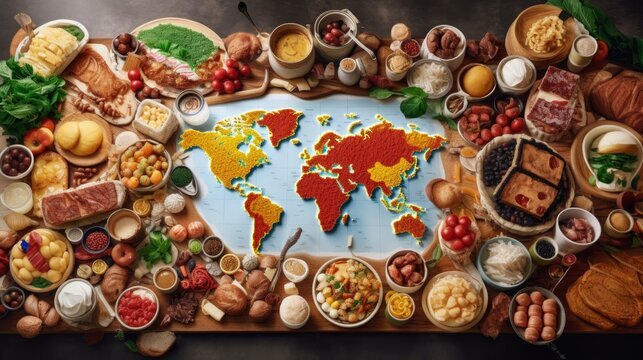
Imagine stepping off a plane and immediately being enveloped by the intoxicating aroma of sizzling street food, the subtle fragrance of exotic spices, or the comforting scent of a slow-cooked stew you've only dreamed of. This isn't just travel; it's a sensory immersion, a passport to the world's most vibrant International Cuisine Hotspots. These are the places where food isn't just sustenance—it's history, art, community, and pure, unadulterated joy. Whether you're a seasoned globetrotter or an armchair foodie, understanding what makes these culinary hubs tick is key to unlocking unforgettable gastronomic adventures.
At a Glance: Your Culinary Quest Awaits
- Diverse Delights: Explore traditional dishes, spices, and cooking techniques from cultures worldwide, from the fiery curries of Thailand to the refined sushi of Japan.
- Street Food Savvy: Dive into local street food scenes for authentic flavors and a true taste of local life.
- Culinary Capitals: Target renowned destinations like Italy, Japan, Thailand, Mexico, and India, or unearth lesser-known culinary gems.
- Ingredient Explorer: Don't shy away from exotic fruits, vegetables, and uncommon herbs like za’atar or star anise.
- Hands-On Learning: Elevate your experience with cooking classes, food festivals, and direct interactions with chefs.
- Open Mind, Open Palate: Approach every new dish with curiosity, letting your taste buds lead the way.
Why Your Next Journey Should Be a Culinary One
Food transcends mere calories; it's a universal language, a direct link to a culture's soul. When you seek out International Cuisine Hotspots, you're not just looking for a meal; you're embarking on a journey of discovery. You uncover stories in every ingredient, history in every cooking method, and community in every shared plate. It's an opportunity to break down barriers, challenge your palate, and broaden your understanding of the world, one delicious bite at a time.
This isn't just about Michelin-starred dining, though those experiences certainly have their place. It's equally about the unassuming street vendor, the bustling local market, and the family-run eatery that has perfected a single dish over generations. These are the places where tradition meets innovation, creating an edible tapestry that reflects a nation's identity.
Defining a True International Cuisine Hotspot
What elevates a city or region from simply having good restaurants to being a bona fide international cuisine hotspot? It’s a confluence of several factors that create a unique and unforgettable culinary ecosystem.
Ingredient Authenticity & Local Sourcing
The foundation of any great cuisine lies in its ingredients. A true hotspot boasts access to fresh, high-quality, and often unique local produce, meats, and seafood. Think of the sun-ripened tomatoes and fresh basil in Italy, the vibrant spices grown in India, or the pristine seafood off the coast of Peru. When chefs prioritize local and seasonal, the flavors truly sing. For instance, the renowned Tasting House in Los Gatos, celebrated for its French American cuisine, emphasizes locally sourced ingredients to craft dishes like their often-praised beef Wellington, ensuring freshness and supporting regional producers.
Mastery of Technique, Rooted in Tradition
Generations of culinary practice lead to a refined understanding of cooking techniques. Whether it's the intricate art of sushi preparation in Japan, the slow-simmering perfection of a Moroccan tagine, or the delicate balance of flavors in Thai Tom Yum Soup, these hotspots are places where traditional methods are not just preserved but continually perfected. This deep respect for heritage ensures that classic dishes retain their authentic character while also allowing for subtle evolution.
Vibrant Food Culture & Community Spirit
Food is inherently social. Hotspots thrive on a lively food culture that extends beyond restaurants to bustling street markets, lively food festivals, and communal dining experiences. The shared joy of a Brazilian Feijoada, the ritual of Korean Bibimbap, or the convivial atmosphere of a Spanish tapas bar isn't just about the food itself, but the connections forged around it. These are places where food is a central part of daily life, celebrations, and identity.
Innovation, Fusion, and Global Influences
While tradition is crucial, the most dynamic hotspots also embrace innovation. They're open to new ideas, global influences, and fusion concepts that push culinary boundaries while respecting their roots. Consider the culinary landscape of a city like Amsterdam, where you can find everything from traditional Dutch fare to Amsterdams Top Asian Fusion Spots creatively blending diverse flavors. This willingness to experiment ensures that a hotspot remains exciting and relevant to evolving global tastes. Similarly, establishments like the British Bankers Club in Menlo Park, with its Contemporary European offerings like lobster ravioli and halibut, show how classic European foundations can be presented in a modern, vibrant setting, complete with an extensive selection of wines and spirits to match.
Your Global Plate: Iconic Dishes from Around the World
To truly appreciate International Cuisine Hotspots, you need to know their stars – the iconic dishes that define their culinary identity. Here’s a taste of what awaits:
Mexico: Tacos al Pastor & Margarita Magic
When you think of Mexican cuisine, tacos are undoubtedly front and center. Tacos al Pastor epitomize street food perfection: thin slices of marinated pork, cooked on a vertical spit with pineapple, served on warm corn tortillas with cilantro, diced onions, and a squeeze of lime. It’s a vibrant explosion of savory, sweet, and tangy flavors. But no Mexican meal is complete without the perfect pairing. Finding Best Mexican Margaritas Amsterdam can elevate your dining experience from good to absolutely unforgettable.
Thailand: Tom Yum Soup & the Art of Balance
Thai cuisine is all about balancing sour, sweet, salty, and spicy. Tom Yum Soup is the quintessential example. This hot and sour broth, infused with lemongrass, galangal, kaffir lime leaves, and chili, traditionally features shrimp (Tom Yum Goong) and mushrooms, garnished with fresh cilantro. Each spoonful is a journey through complex, aromatic flavors that awaken the palate.
India: Chicken Tikka Masala & Aromatic Spices
Indian cuisine, famously rich in spices, offers comfort and complexity in equal measure. Chicken Tikka Masala, a beloved dish worldwide, features tender chicken marinated in yogurt and a blend of spices like garam masala, cumin, coriander, and turmeric. Grilled to perfection, it’s then simmered in a creamy, tomato-based sauce, often enriched with butter. Served with fluffy basmati rice or warm naan, it's an incredibly satisfying meal. Restaurants like Sankalp, focusing purely on Indian cuisine, exemplify the dedication to these rich flavor profiles.
Vietnam: Banh Mi – A Sandwich Sensation
Vietnamese food is known for its freshness and vibrant contrast. The Banh Mi sandwich is a perfect illustration: a crispy baguette filled with savory meats (like grilled pork or Vietnamese ham), pickled daikon and carrots, fresh cilantro, chili, and a smear of mayonnaise or pâté. It's a delightful fusion of French colonial influence and Vietnamese ingredients, creating a texture and flavor profile that’s utterly unique.
Italy: Carbonara – Simple Elegance
Italian food is often characterized by its regional diversity and emphasis on fresh, quality ingredients. From the rich sauces of the north to the seafood-centric dishes of the south, every region tells a story. One timeless Roman classic is Carbonara: spaghetti tossed with fresh eggs, hard cheese like Pecorino Romano, cured pork (guanciale or pancetta), and black pepper. Its simplicity belies its incredible depth of flavor and creamy texture. If you're searching for this kind of authentic experience abroad, you might want to specifically seek out places like the Best Italian in Jordaan to ensure you're getting a truly traditional plate.
Japan: Ramen – The Soul-Warming Bowl
Japanese cuisine, known for its precision and artistry, offers a vast array of culinary experiences. From sushi and sashimi to tempura, the emphasis is always on quality and freshness. Ramen, however, is pure comfort in a bowl. This noodle soup features a savory broth (like rich tonkotsu or miso), springy wheat noodles, and an assortment of toppings: tender chashu pork, scallions, bamboo shoots, nori (seaweed), and a perfect soft-boiled egg. It's a deeply satisfying and infinitely customizable dish.
France: Coq au Vin – Rustic Refinement
French cuisine, long considered the pinnacle of culinary art, is characterized by its meticulous techniques and classic preparations. Coq au Vin is a hearty, classic stew where chicken is braised in red wine (typically Burgundy), alongside mushrooms, lardons (bacon), garlic, and pearl onions. The slow cooking process results in incredibly tender chicken and a rich, deeply flavored sauce, often served with mashed potatoes or crusty bread for soaking up every drop.
Peru: Ceviche – A Taste of the Pacific
Peruvian cuisine is a vibrant tapestry of indigenous, Spanish, African, and Asian influences. Ceviche, the country’s national dish, is a testament to its coastal bounty: raw fish (like sole or corvina) “cooked” by the acidity of fresh lime juice, mixed with finely sliced red onions, aji limo (Peruvian chili), and cilantro. Served with sweet potato and large kernel corn, it's an exhilaratingly fresh and spicy dish that perfectly captures the spirit of Peru.
Ethiopia: Doro Wat & Injera – A Communal Feast
Ethiopian cuisine is known for its aromatic spices and communal dining style. Doro Wat is a rich, spicy chicken stew, prepared with deeply caramelized red onions and berbere, a complex Ethiopian spice blend. Tender chicken pieces and often hard-boiled eggs are simmered to perfection, creating a dish that's both fiery and flavorful. Traditionally, it's served with injera, a spongy, sourdough flatbread used to scoop up the stew, making for a truly hands-on and social eating experience.
Morocco: Tagine – A Slow-Cooked Masterpiece
Moroccan cuisine bursts with exotic aromas and flavors, heavily influenced by Berber, Arabic, and Mediterranean traditions. The Tagine, named after the conical earthenware pot it’s cooked in, is a slow-simmered stew typically featuring lamb or chicken with dried fruits (apricots, prunes) and a complex blend of aromatic spices like cumin, cinnamon, ginger, and turmeric. The long, gentle cooking process tenderizes the meat and allows the flavors to meld beautifully, creating a dish that is both sweet and savory, deeply comforting and incredibly fragrant.
Beyond the Plate: Immersive Culinary Experiences
Truly exploring International Cuisine Hotspots means engaging with food in multifaceted ways that go far beyond just sitting down for a meal.
The Thrill of Street Food Adventures
Nothing captures the authentic pulse of a culinary hotspot like its street food scene. From the bustling night markets of Bangkok serving up pad Thai and mango sticky rice, to the lively stalls of Mexico City with their tacos and esquites, street food offers immediate access to local flavors at their most vibrant. It’s often where the most iconic dishes were born and where generations of recipes are passed down. Embrace the chaos, trust your nose, and prepare for some of the most memorable meals of your life.
Immerse Yourself in Food Festivals and Events
Timing your visit to coincide with a food festival can provide an unparalleled deep dive into a region's culinary heritage. These events celebrate local specialties, showcase diverse cooking traditions, and often feature cooking demonstrations by local chefs. Imagine attending Oktoberfest in Germany for its hearty beers and traditional German sausages, or a vibrant spice festival in India. They're not just about eating; they're about experiencing the full sensory spectacle and community spirit that food ignites.
Learn the Craft: Cooking Classes and Workshops
Want to bring a piece of your culinary journey home? Enroll in a cooking class or workshop. Learning to make authentic Italian pasta in Rome, mastering the art of sushi rolling in Tokyo, or understanding the intricate spice blends of a Moroccan tagine directly from experienced chefs can transform your appreciation for the cuisine. It's a fantastic way to gain hands-on skills, learn about local ingredients, and deepen your cultural understanding.
Connect with the Experts: Meet Chefs and Culinary Gurus
Whenever possible, seek out opportunities to meet the people behind the food. A casual chat with a market vendor about their produce, a conversation with a local restaurant owner about their family recipes, or even a Q&A session with a renowned chef can provide invaluable insights into their philosophies and creations. These interactions often reveal the passion, dedication, and cultural significance woven into every dish.
Explore the Source: Markets and Farms
To truly understand a cuisine, you must understand its ingredients. Visiting local markets—be they fish markets, spice markets, or farmers' markets—offers a sensory feast and a window into daily life. You'll see the raw materials, observe local customs, and perhaps even discover exotic fruits and vegetables you've never encountered before. Some tours even include visits to local farms, showing you where the ingredients are grown, from coffee plantations in Brazil to olive groves in Italy.
Navigating Your Culinary Quest: Practical Tips for Foodies
Embarking on a global food adventure is exhilarating, but a little preparation can make all the difference.
Research for Authenticity
Before you go, do your homework. Look beyond tourist traps for eateries frequented by locals. Read reviews from trusted food bloggers and join online food communities. Ask locals for recommendations – a simple question to your hotel concierge or a friendly shop owner can lead you to a hidden gem. Understanding a region's culinary history and signature dishes will also help you identify truly authentic experiences.
Embrace the Unknown: New Ingredients and Flavors
Part of the joy of exploring International Cuisine Hotspots is stepping out of your comfort zone. Be open to experimenting with new ingredients, including exotic fruits and vegetables, and uncommon herbs and spices like za’atar, sumac, star anise, and cardamom. Many of the world’s most exciting flavors come from combinations you might not expect.
Budgeting for Bites
Culinary travel doesn't have to break the bank. Street food and local markets offer incredibly delicious and affordable options. If fine dining is on your agenda, consider lunch specials, which often provide a similar experience at a fraction of the dinner price. Allocate a portion of your travel budget specifically for food; it's an investment in cultural experience.
Safety and Hygiene: Especially for Street Food
While street food is a must-try, it's wise to be mindful of hygiene. Look for stalls with long queues of locals (a good sign of freshness and popularity), visible cooking, and clean preparation areas. Opt for freshly cooked items over those that have been sitting out for a long time. It’s always good practice to carry hand sanitizer.
Be an "Open-Minded Eater"
Perhaps the most important tip: cultivate an open mind and boundless curiosity. Some flavors might be unfamiliar, textures might be different, but every dish offers a story. Allow your taste buds to guide your culinary adventures, and don't be afraid to try something new, even if it looks or smells different from what you're used to. That's where the real magic happens.
Common Questions About Global Dining
How do I find truly authentic international restaurants in a new city?
Beyond online research, the best method is to ask locals. Taxi drivers, hotel staff, shopkeepers, or even fellow travelers you meet are often a goldmine of information. Look for places packed with local patrons, especially during off-peak hours. Avoid restaurants with overly aggressive touts or menus translated into multiple languages and adorned with pictures, as these often cater to tourists rather than providing an authentic experience.
What if I have dietary restrictions or allergies while traveling?
Always carry a translation card that clearly states your allergies or dietary needs in the local language. Many restaurants in major culinary hotspots are accustomed to accommodating various dietary requests, but it's essential to communicate clearly and patiently. For severe allergies, stick to simpler dishes or places where ingredients are explicitly listed.
Is eating street food really safe?
Generally, yes, if you follow a few common-sense rules. Prioritize stalls with a high turnover of customers, indicating fresh ingredients. Watch for visible cooking, hot food served hot, and cold food served cold. If a stall looks dirty or food has been sitting uncovered for a long time, it’s best to move on. Trust your instincts – if something doesn’t feel right, it probably isn’t.
Your Next Culinary Adventure Starts Here
The world is a magnificent buffet, overflowing with flavors, textures, and aromas waiting to be explored. From the rich, slow-cooked stews of Morocco to the fiery curries of Thailand, and the refined artistry of Japanese cuisine, International Cuisine Hotspots offer more than just meals—they offer profound cultural experiences.
So, where will your next bite take you? Will you delve into the aromatic spices of an Indian kitchen, savor the delicate balance of a Vietnamese broth, or toast with a perfectly paired wine at a French American bistro? Whether you're planning your next big trip or simply seeking new flavors in your local community, remember to approach every dish with curiosity and an open heart. The journey of taste is endless, and the next unforgettable culinary discovery is always just around the corner. Embark on your adventure, and let your palate lead the way.