Step into an Authentic Dutch Cuisine Restaurant and you're not just ordering a meal; you're embarking on a delightful journey through centuries of tradition, trade, and hearty, wholesome flavors. Far from the once-maligned reputation for "bland" food, Dutch culinary experiences today reveal a surprising depth, regional diversity, and a charming commitment to fresh, quality ingredients that truly nourishes the soul. Forget what you thought you knew – the Netherlands is ready to charm your palate.
At a Glance: What to Expect from Dutch Cuisine
- Hearty & Wholesome: Think comfort food – mashed potatoes, rich stews, and generous portions.
- Dairy Delights: Cheese, butter, and milk products are staples in many forms.
- Regional Diversity: Distinct culinary traditions in the Northeast, West, and South.
- Sweet & Savory Surprises: From sweet breakfast toppings to robust main courses.
- Colonial Echoes: Strong Indonesian and Surinamese influences, creating unique fusion dishes.
- Snack Culture: A vibrant world of deep-fried treats and delicious fish snacks.
- Seasonally Driven: Dishes often reflect what’s fresh from the farm or sea.
More Than Just Windmills and Tulips: Understanding Dutch Culinary Roots
The story of Dutch food is deeply intertwined with its geography and history. Situated on fertile deltas at the North Sea, the Netherlands has always been a hub for fishing, farming, and overseas trade. This unique position laid the foundation for a diet rich in dairy, fresh produce, and seafood.
Historical influences run deep, from the sophisticated Burgundian period in the 15th-16th centuries, which fostered an early appreciation for gastronomy, to the bustling colonial trade of the 17th-18th centuries. The Dutch East India Company didn't just sail the seas; it reshaped global palates, dominating the spice trade, spreading coffee, and even revolutionizing chocolate production with the "Dutch process." These early global connections infused Dutch kitchens with exotic flavors and ingredients long before "fusion" became a buzzword.
By the early 20th century, the Netherlands became a powerhouse in agricultural production, earning it the moniker "feeders of the world." While this efficiency sometimes overshadowed the perceived "glamour" of its traditional dishes like stamppot, a modern resurgence has brought taste back into sharp focus. Today, the country boasts an impressive 119 Michelin-starred restaurants, a testament to its evolving and sophisticated culinary landscape.
A Culinary Map of the Netherlands: Tastes by Region
Just like any country with a rich history, Dutch cuisine isn't monolithic. It's traditionally divided into three distinct regional traditions, each with its own character and specialities. Exploring these regional differences is key to appreciating the full spectrum of Dutch flavors.
The Hearty Northeast: Meats, Rye, and Robust Flavors
If you find yourself in the northeastern provinces, prepare for a culinary experience characterized by robust meats and heavy rye bread. This is the land of hearty fare designed to sustain you through long, cold days. Think comforting sausages like rookworst (smoked sausage) and metworst (fermented sausage), often served as the star of a meal or as a key ingredient in soups and stews.
Portions here tend to be generous, reflecting a tradition of hard work and honest nourishment. You'll often find these dishes accompanied by equally robust side dishes, emphasizing flavor and satiation.
The Bountiful West: Fish, Cheese, and Spirits
The western Netherlands, particularly along the coast, offers a different bounty, heavily influenced by the North Sea. This region is a paradise for seafood lovers, featuring delicacies like:
- Soused Herring (Hollandse nieuwe): A seasonal treat, often eaten raw with onions and pickles. If you haven't tried this, you're missing a quintessential Dutch experience.
- Smoked Eel (gerookte paling): A delicate, flavorful fish often served on bread.
- Kibbeling: Battered and deep-fried chunks of white fish, typically cod, served with a special sauce. A perfect snack from a fish stall.
Beyond the sea, the West is also the heartland of Dutch dairy. This is where you'll find world-famous cheeses like Gouda and Edam, often farm-made (boerenkaas) with protected designations. And who could forget the stroopwafel – those delightful syrup waffles?
The region also boasts a significant chocolate industry, a legacy of colonial ties and innovations like Coenraad van Houten's 1828 process for solid chocolate. And for those who enjoy a spirited tipple, the West is home to the world's oldest (Lucas Bols, 1575) and third-oldest (Nolet, 1691) distilleries, famous for jenever, the juniper-flavored precursor to gin.
The "Bourgondisch" South: Stews, Fruit, and Pastries
Venturing south, particularly into provinces like Limburg and North Brabant, you'll encounter what's often referred to as "Bourgondisch" cuisine – a style known for its rich flavors and emphasis on indulgence, harkening back to the lavish tastes of the Burgundian court.
Here, stews like hachee (a hearty beef and onion stew) are prevalent, slow-cooked to perfection. The South is also celebrated for its fruit products, particularly fruit-filled pastries like Limburgse vlaai, a delicious tart with a crumbly topping. You might also encounter bossche bol, a large cream puff covered in chocolate. This region's love for good food extends to its beverages, boasting five of the eleven International Trappist Association-recognized breweries. It's a place where food and drink are savored, not just consumed.
The Daily Rhythm: A Guide to Dutch Meals
Understanding the structure of Dutch meals can greatly enhance your dining experience in an authentic Dutch restaurant. The rhythm of eating often leans towards practicality and comfort, with specific highlights throughout the day.
Start Your Day the Dutch Way: Breakfast (Ontbijt)
Dutch breakfast is typically a light, yet satisfying affair. You'll find airy whole-grain bread (brood) slathered with butter and often topped with something sweet. Forget your savory bacon and eggs for a moment and consider:
- Hagelslag: Chocolate sprinkles, a surprisingly beloved breakfast item.
- Muisjes: Aniseed sprinkles, traditionally served on beschuit (crisp rusks) to celebrate a birth.
- Chocolate spread or fruit jams.
Alongside these, yogurt, fruit, and muesli are common. On weekend mornings, the mood shifts to more leisurely pannenkoeken – large, thin pancakes that can be sweet or savory. These aren't your fluffy American diner pancakes; they're more akin to crêpes, often filled with apple, bacon, or cheese, and served with a generous pour of stroop (syrup). For truly exceptional pancakes, consider exploring Amsterdams best Dutch pancakes.
A Midday Affair: Lunch (Middageten)
Traditionally, Dutch lunch is not a warm meal. It often mirrors breakfast but with a more savory bent. Sandwiches on various types of bread are common, often topped with sliced meats, cheeses, or even pindakaas (peanut butter), as the Netherlands is a major player in the global peanut butter trade.
If you're looking for something a bit more substantial at a cafe or bar, an uitsmijter is a popular choice: open-faced fried eggs with bacon, cheese, roast beef, or ham. It's simple, satisfying, and decidedly Dutch.
The Art of Dutch Cheese
No discussion of Dutch meals is complete without mentioning cheese. It's a ubiquitous topping and snack. Most Dutch cheeses are semi-hard or hard, often blended with herbs or spices – think cumin in Leyden cheese or cloves in Friesian Clove.
Cheeses are carefully categorized by maturity, from "Jonge kaas" (a mere 4 weeks old) to "Overjarig" (aged 1-2 years), each offering a distinct flavor profile. Keep an eye out for "Boerenkaas," a legally protected farm-made raw milk cheese, renowned for its complex, nuanced taste.
The Coffee Break (Koffietijd)
A cherished tradition, koffietijd is more than just a coffee break. It’s a moment to pause, often accompanied by a single cookie or piece of cake – a habit born from post-WWII thriftiness that persists today. In colder months, hot chocolate is a popular alternative.
The Main Event: Dinner
Traditionally eaten early (before 6 p.m.), Dutch dinner is often a single, hearty course. The classic "AVG" plate – aardappelen, vlees, groente (potatoes, meat, vegetables) – forms the backbone of many home-cooked meals.
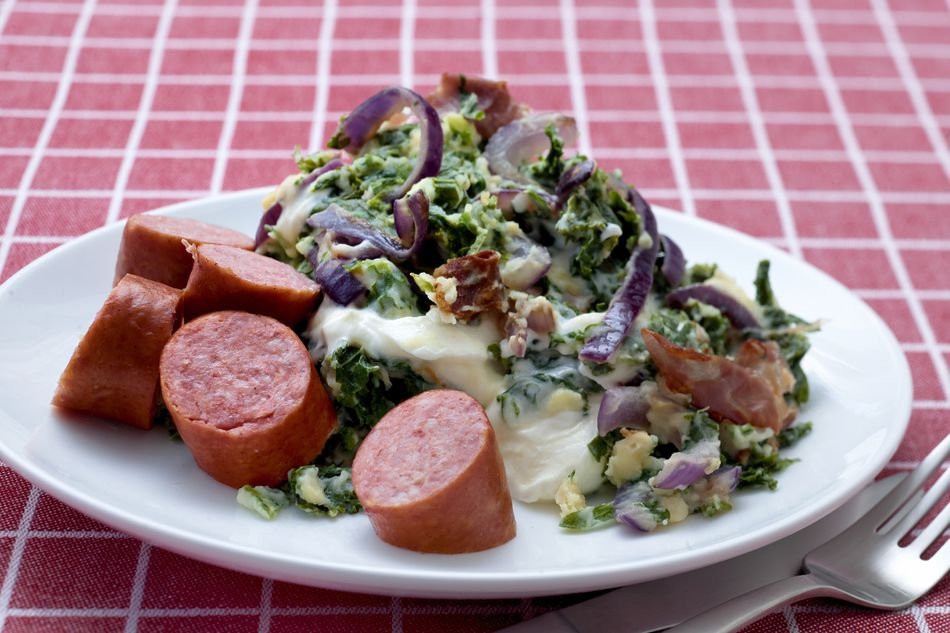
In colder weather, few dishes offer comfort quite like stamppot. This mashed potato dish, blended with various vegetables like kale (boerenkool stamppot), endive, or sauerkraut, and typically served with a smoked sausage (rookworst) or meatballs and gravy, is a winter staple. If you’re visiting the capital, finding Where to try stamppot in Amsterdam is a must for a truly authentic experience. Another hearty winter classic is snert, a thick pea soup with pork and rookworst, so substantial it's often a meal in itself.
A Sweet Ending: Dessert (Toetje)
Dessert is usually a simple sweet treat. Traditionally, this might be yogurt with sugar or vla (a thin milk pudding). However, more elaborate desserts like fruit-filled vlaai, classic appeltaart (Dutch apple pie with cinnamon), mergpijp (a small cake roll with marzipan), and the decadent Bossche bol are also popular choices.
Beyond the Plate: Dutch Culinary Traditions for Special Occasions
Certain foods are inextricably linked with Dutch celebrations, offering a delightful glimpse into the country's cultural fabric.
- Birth: Beschuit met muisjes (rusk with sugared aniseed), blue for boys, pink for girls.
- Sinterklaas (December 5/6): A festive bounty of hot chocolate, luxury speculaas, boterletter (pastry letter), marsepein, chocoladeletter, and the small spiced cookies pepernoten and kruidnoten.
- Christmas (Kerst): Often features kerststol (fruited raisin bread with almond paste), roast meats, or gourmetten (tabletop cooking where diners cook their own mini-dishes).
- New Year's Eve (Oud en Nieuw): Ring in the new year with oliebollen (yeast dough balls, plain or with fruit – considered the precursor to doughnuts) and appelbeignets (apple fritters).
- Easter (Pasen): Celebrated with chocolate eggs and Paasstol, a sweet bread similar to kerststol.
The Global Influence: Indonesia, Suriname, and Beyond
The Netherlands' colonial past brought a rich tapestry of flavors to its shores, most notably from Indonesia. After Indonesia's independence in 1945, Indonesian and Indo (Dutch-Indonesian) dishes became immensely popular, permanently embedding themselves into the Dutch culinary scene. You'll find staples like nasi goreng (fried rice), saté (skewered grilled meat with peanut sauce), and unique fusion creations such as rijsttafel (a lavish spread of small Indonesian dishes) and babi pangang speciaal (sweet and sour pork). Many Amsterdams traditional Dutch restaurants will often feature a few of these beloved Indo dishes, showcasing the integration.
Surinamese cuisine, with its vibrant mix of African, Indian, Javanese, and Creole influences, is also widely enjoyed, particularly roti (flatbread with curried fillings) and Surinamese sandwiches. Furthermore, globalization has led to Dutch fusion dishes like kapsalon (fries with kebab/shawarma, cheese, and salad) and fast-food innovations like McKroket and McFlurry stroopwafel, proving that Dutch cuisine is always evolving.
Embracing the Snack Culture: From Friet to Fish
No visit to the Netherlands is complete without diving into its vibrant snack culture, often found at ubiquitous snackbars and fish stalls.
Snackbar Delights
Snackbars are treasure troves of deep-fried delights, especially patat or friet (French fries). These aren't just any fries; they're thick, perfectly crispy, and served with an array of sauces:
- Mayonnaise: The classic pairing.
- Pindasaus: Rich peanut sauce.
- Curry Ketchup: A tangy, spiced condiment.
- Patatje Oorlog: "War fries" – a delicious, messy mix of mayonnaise, peanut sauce, and raw chopped onions.
- Kapsalon: A full meal in itself, featuring fries topped with kebab or shawarma meat, melted Gouda cheese, and a fresh salad, often drizzled with garlic sauce.
Beyond fries, the deep-fried meat snacks are legendary: - Frikandel: A skinless, minced meat sausage, incredibly popular.
- Kroket: A ragout-filled roll with a thick, crispy crust, typically eaten with mustard.
- Bamiblok/Nasischijf: Fried patties made from Indonesian mie or nasi goreng.
- Kaassoufflé: Cheese in a crispy puff pastry.
- Berenklauw: A meatball with onion rings, usually smothered in peanut sauce.
Fresh from the Sea: Fish Stalls
For a taste of the North Sea's bounty, head to a local fish stall. Here you can savor:
- Hollandse nieuwe: The aforementioned soused herring, eaten raw.
- Kibbeling: Battered and fried chunks of white fish.
- Lekkerbekje: A larger piece of fried whitefish, often cod.
- Gerookte paling: Smoked eel, a true delicacy.
What to Look for in an Authentic Dutch Cuisine Restaurant
When seeking out a truly authentic experience, keep these pointers in mind:
- Regional Focus: Does the menu highlight dishes from a specific region (Northeast, West, South)? A restaurant that prides itself on Limburgse vlaai, for example, is likely embracing southern traditions.
- Seasonal Offerings: Traditional Dutch cuisine is seasonal. Look for winter specials like various stamppot variations, snert, or summer herring.
- Local Ingredients: Authentic places will often source locally. Don't be afraid to ask where their cheeses, vegetables, or meats come from.
- Homemade Touches: Are the sauces, soups, or even the speculaas homemade? This is a sign of dedication to tradition.
- Comfort and Simplicity: Don't expect overly elaborate presentations. Authenticity often lies in hearty portions, robust flavors, and a cozy atmosphere.
- Menu Diversity: A good sign is a menu that offers a range of traditional dishes, not just the "greatest hits." Look for items like hachee, uitsmijter, or even a selection of bitterballen (meat croquettes), a popular bar snack.
- Indonesian/Surinamese Influence: Don't be surprised or deterred by Indonesian or Surinamese dishes on the menu – they are a genuine part of contemporary Dutch culinary identity.
Common Misconceptions About Dutch Food, Debunked
Many people still hold outdated views on Dutch cuisine. Let's clear up a few:
- "It's bland": While historically focused on sustenance, modern Dutch cuisine, especially in restaurants, emphasizes flavor. The use of spices from colonial trade, fresh herbs, and careful preparation ensures deliciousness. The Michelin stars speak for themselves!
- "It's just potatoes": Potatoes are a staple, yes, particularly in stamppot and hutspot, but they're combined with a rich variety of vegetables, meats, and sauces that transform them.
- "There's no fine dining": Absolutely false. The Netherlands has a thriving fine dining scene, blending traditional ingredients with innovative techniques.
Practical Steps to Savoring Dutch Flavors
Ready to dive in? Here’s how to make the most of your culinary exploration:
- Do Your Homework: Before visiting a city, research local Authentic Dutch Cuisine Restaurants. Look for places recommended by locals or those specializing in regional cuisine.
- Be Adventurous with Snacks: Don't shy away from the snackbars and fish stalls. Kibbeling, frikandel, and kroket are essential experiences.
- Embrace the Sweet: Try stroopwafels (especially warm ones from a market stall!), poffertjes (mini pancakes), and oliebollen (around New Year's).
- Don't Fear the Herring: If you're open to it, a taste of Hollandse nieuwe is a rite of passage.
- Ask for Recommendations: Restaurant staff are usually eager to share their knowledge and suggest dishes based on your preferences.
- Try Regional Specialties: If you're in the South, order vlaai. In the West, seek out jenever and artisanal cheeses.
By approaching Dutch cuisine with an open mind and a curious palate, you'll discover a world of flavors that are comforting, surprising, and utterly unique. From hearty mashed dishes that warm you from the inside out to delicate pastries and flavorful seafood, the Netherlands offers a delicious journey for every food lover. Eet smakelijk!